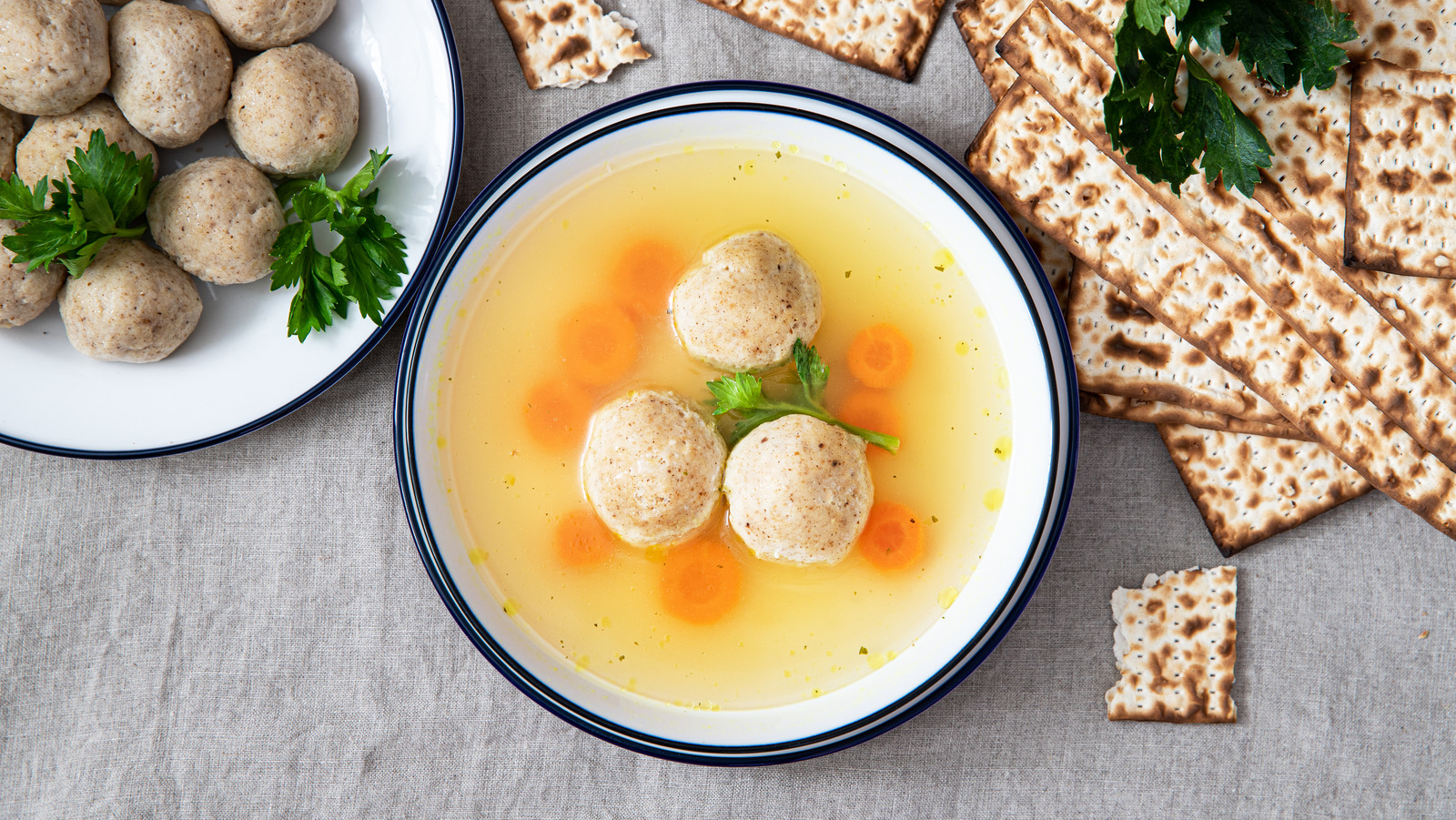
Achieve Perfect Matzo Ball Soup: Fluffy Balls, Clear Broth
Matzo ball soup, often hailed as "Jewish penicillin," is more than just a dish; it's a hug in a bowl, a comforting embrace that transcends cultures and traditions. The epitome of this classic comfort food features two non-negotiable elements: a deeply flavorful, crystal-clear broth and matzo balls that are irresistibly light and fluffy. While achieving this seemingly simple perfection can feel like a culinary quest, it's entirely within your reach. This comprehensive guide will demystify the process, revealing the secrets to creating
Master Homemade Matzo Ball Soup: The Essential Recipe that will earn rave reviews every time. Prepare to embark on a culinary journey that delivers both unparalleled taste and comforting warmth.
The Foundation: Crafting a Pristine, Flavorful Broth
The soul of any exceptional matzo ball soup lies in its broth. A clear, golden liquid brimming with rich, savory notes is paramount. To achieve this, we start with quality ingredients and a patient approach.
Selecting Your Soup Stars
Your broth begins with a robust selection of aromatics and bone-in chicken, carefully chosen for their flavor contributions.
- Chicken: For maximum flavor depth, opt for a combination of bone-in, skin-on chicken pieces like drumsticks and wings. The bones contribute essential collagen, which adds body and a silky mouthfeel, while the skin renders fat that enriches the overall taste.
- Vegetables: A classic foundation includes onion, carrots, and celery. Enhance this with leeks (white and pale-green parts only) for a subtle sweetness and parsley roots, which offer an earthy, slightly peppery depth distinct from their leafy counterparts. Roughly chopped vegetables are perfect here, as they'll be strained out later.
- Herbs & Seasoning: Kosher salt is essential for seasoning, and a generous bunch of fresh dill, added near the end, infuses the broth with its signature bright, aromatic freshness.
The Art of the Gentle Simmer
Once your chosen ingredients are assembled in a large pot, cover them with cold water (around 3 quarts or 12-13 cups). Starting with cold water allows the flavors to gradually extract from the chicken and vegetables as the temperature slowly rises, leading to a richer broth.
Bring the pot to a boil uncovered, then immediately reduce the heat to a gentle simmer. This is where patience pays off. Cover the pot with a lid and let it cook for a full two hours. During this time, impurities will naturally rise to the surface. Regularly skim these off with a large slotted spoon. This crucial step prevents your broth from becoming cloudy and ensures that coveted crystal-clear appearance. If your liquid reduces significantly during cooking, top it off with an additional 2 cups of boiling water to maintain volume.
Finally, in the last 15 minutes of simmering, add a generous bunch of fresh dill. Its delicate flavor can become bitter if cooked too long, so adding it towards the end preserves its vibrant essence.
Straining for Clarity and Flavor
After the final simmer, remove the soup pot from the heat. Carefully strain the entire soup through a large sieve or fine-mesh strainer into another pot or heatproof container. Pressing lightly on the solids can extract a little more flavor, but don't overdo it, or you risk clouding the broth. Reserve the cooked chicken, carrots, and perhaps some onion for serving. The rest of the cooked vegetables have given their all and can generally be discarded. You now have a pristine, golden broth, ready for its matzo ball companions. This foundational broth is also perfect for other uses, making it an excellent base for various soups or even sipping on its own.
Secrets to Supremely Fluffy Matzo Balls
Now for the star attraction: the matzo balls themselves. The quest for light, airy "floaters" rather than dense "sinkers" is a common culinary challenge, but one that can be easily mastered with a few key techniques. If you're looking for even more in-depth strategies, explore our guide on
Unlock Fluffy Matzo Balls: Secrets for Amazing Homemade Soup.
Crafting the Matzo Ball Mixture
The basic matzo ball mixture is surprisingly simple, yet each ingredient plays a vital role in achieving the perfect texture.
- Matzo Meal: The cornerstone. Use a good quality matzo meal.
- Eggs: Eggs bind the mixture. The number of eggs relative to matzo meal significantly impacts texture.
- Liquid: A touch of chicken broth adds flavor and moisture, helping the matzo meal hydrate evenly. Some recipes also suggest a splash of seltzer water for extra lift.
- Fat: Olive oil contributes moisture and tenderness. For an even richer, more authentic flavor, some traditional recipes call for schmaltz (rendered chicken fat).
- Seasoning: Onion powder, garlic powder, kosher salt, and a pinch of white pepper provide the savory notes that complement the broth beautifully.
Whisk all these ingredients together in a mixing bowl until just combined. It’s important to
avoid overmixing, as this can develop the gluten in the matzo meal, leading to tougher, denser balls.
The Chilling Imperative
Once mixed, cover the matzo ball mixture with plastic wrap and refrigerate it for at least 20 minutes, or even up to an hour. This chilling period is crucial. It allows the matzo meal to fully absorb the liquids, firming up the mixture and making it much easier to handle and shape. A properly chilled mixture is less sticky and holds its form better during cooking, directly contributing to a lighter, more delicate texture.
The Whipped Egg White Advantage (For Ultimate Fluffiness)
While the basic recipe yields delicious matzo balls, for truly ethereal fluffiness, consider a technique favored by many chefs: incorporating whipped egg whites.
Instead of adding all the eggs directly to the mixture, separate them. Whisk the egg yolks with the liquid, oil, and seasonings, then fold this mixture into the matzo meal. In a separate, clean bowl, whip the egg whites until soft peaks form. Gently fold these aerated whipped whites into the matzo meal mixture just before chilling. The air incorporated into the egg whites creates a lighter, more delicate structure, resulting in those coveted "floaters." This method, often highlighted by culinary experts, is a game-changer for those seeking maximum loft and tenderness in their matzo balls.
Shaping Your Spheres
With chilled hands (or hands moistened with cold water to prevent sticking), take a tablespoonful of the mixture and gently roll it into a sphere. The size is a matter of preference; traditionally, they are about 1 to 1.5 inches in diameter before cooking. Remember, they will expand significantly, often doubling in size, so don't make them too large initially.
Mastering the Assembly: Cooking & Serving Your Golden Nectar
The final steps bring all your carefully prepared components together into a harmonious dish. The critical rule for maintaining that crystal-clear broth is simple: cook the matzo balls separately!
The Separate Simmer: A Clear Broth Imperative
In a large pot, bring about 3 quarts of generously salted water to a rolling boil (2 tablespoons of kosher salt should suffice). The salt helps season the matzo balls from the inside out and also aids in their firmness. Gently drop the shaped matzo balls into the boiling water, one by one. Once all the matzo balls are in, bring the water back up to a boil, then immediately reduce the heat to a gentle simmer. Cover the pot with a lid and cook for approximately one hour.
During this hour, magic happens: the matzo balls will absorb water, expand to about twice their original size, and rise from the bottom of the pot, becoming beautifully plump and tender. Cooking them separately prevents the starchy residue from the matzo meal from clouding your pristine chicken broth, fulfilling a key part of our goal for perfect
Matzo Ball Soup.
Bringing It All Together
Once cooked, carefully remove the matzo balls from their cooking water using a slotted spoon. You can place them directly into individual serving bowls, or if serving a crowd, gently transfer them to a separate bowl and ladle them into soup bowls as needed.
Now, ladle your strained, golden chicken broth over the matzo balls. Garnish generously with the reserved tender chicken pieces, cooked carrots, and perhaps some finely chopped fresh dill or parsley for a final burst of color and freshness. Some prefer to add a slice of the reserved cooked onion or celery for extra texture and flavor. Serve immediately and piping hot.
Troubleshooting & Pro Tips for Matzo Ball Soup Success
Even with the best instructions, every home cook encounters questions. Here are some insights to help you achieve consistent perfection and elevate your matzo ball soup experience.
Common Matzo Ball Woes & Solutions:
- Why are my matzo balls dense? Overmixing the batter develops gluten, making them heavy. Not chilling long enough can also contribute. Try the whipped egg white method for guaranteed lightness.
- Why do they fall apart? Insufficient chilling or not enough binding agents (eggs) can lead to crumbling. Ensure the mixture is firm before shaping.
- Why is my broth cloudy? Not skimming impurities, not starting with cold water, or over-boiling the broth can cause cloudiness. Most importantly, always cook matzo balls separately.
Pro Tips for Next-Level Flavor:
- Roast Your Chicken & Veggies: For an even deeper, more complex broth, lightly roast your chicken pieces and some of your root vegetables (like onions and carrots) before adding them to the pot with water. This caramelization adds layers of umami and color.
- Add Ginger: A few slices of fresh ginger root in the broth during simmering can add a warming, subtle spice and additional health benefits.
- Garnish Galore: Beyond dill, consider finely chopped chives, parsley, or even a sprinkle of smoked paprika for an unexpected twist.
- Make Ahead: The broth can be made several days in advance and stored in the refrigerator or frozen for longer periods. Cooked matzo balls can also be stored separately in a little broth in the fridge for 2-3 days and gently reheated.
The "Sinker" vs. "Floater" Debate:
Traditionally, there's a playful debate about the ideal matzo ball texture. "Floaters" are light, airy, and fluffy, while "sinkers" are denser, more substantial, and often considered more "traditional" by some. Our guide primarily focuses on achieving floaters, but understand that both have their devotees. If you prefer a slightly denser ball, use slightly less liquid in your mixture or skip the whipped egg whites entirely.
Crafting the perfect matzo ball soup is a labor of love, but one that is incredibly rewarding. By focusing on a clear, rich broth achieved through patient simmering and meticulous skimming, and by mastering the art of the fluffy matzo ball – perhaps even with the help of whipped egg whites and proper chilling – you unlock the true potential of this beloved dish. Each spoonful offers warmth, comfort, and a taste of culinary heritage. So gather your ingredients, follow these steps, and prepare to delight your family and friends with a bowl of homemade matzo ball soup that is nothing short of perfection. Enjoy!